Stir-frying over a sizzling flame, coaxing out the elusive wok hei aroma, or slow-braising a fragrant stew - those are extra than cooking suggestions. They are rituals, handed down by households and shaped by means of generations of chefs. Central to these traditions stands the wok, a vessel equally humble and for ever and ever versatile. Yet even among pro house cooks, the query lingers: is a cast iron wok or a carbon metallic wok the superior accomplice within the kitchen?
This selection seriously is not a straight forward matter of textile. It’s about how you cook, what flavors you search for, and even the place you dwell. Having cooked with equally kinds for years, in cramped residences and spacious home kitchens, I’ve noticed how every single rewards and challenges its user. Let’s glance closely at the solid iron wok vs carbon metal wok debate, drawing not best from technical specifications however also from the lived journey of every single day cooking.
The Wok: More Than Just a Pan
A wok seriously is not simply an Asian frying pan. Its rounded form, sloped aspects, and deep bowl are designed for tossing nutrition over severe heat, maximizing the Maillard response, and enabling a range of cooking tactics: stir-frying, steaming, braising, deep-frying, even smoking. This versatility makes the choice of materials distinctly precious.
While today's kitchens supply the whole thing from nonstick to chrome steel woks, solid iron and carbon metallic continue to be the gold necessities between traditionalists and execs alike. Each brings its personal set of strengths and quirks to the desk.
Material Basics: What Sets Cast Iron and Carbon Steel Apart
At first look, either constituents convey that coveted sear and improve a usual nonstick floor with use. But their underlying residences differ in techniques that shape each aspect of the cooking adventure.
Cast iron is an alloy with a better carbon content, making it demanding but brittle with the aid of nature. Chinese solid iron woks are typically thinner than their Western skillet counterparts however nonetheless incredibly heavy. They retain warm tremendously good and distribute it frivolously as soon as scorching, notwithstanding they do take longer to warmness up.
Carbon steel, by means of contrast, includes much less carbon and is greater malleable. Woks constituted of carbon steel are lighter, warmness up simply, and reply close to promptly after you modify the flame. However, they don’t hang onto warmness as stubbornly as cast iron does.
Neither subject material is stainless or rust-proof. Both require seasoning - that procedure of constructing up polymerized oil layers to create a shielding, semi-nonstick coating - and each call for care to circumvent rusting or stripping that priceless floor.
Handling and Weight: The Feel in Your Hands
The first time you choose up a natural solid iron wok, you will be surprised with the aid of its heft. Even the lighter Chinese types can weigh from 4 to 7 pounds for a standard 14-inch wok. Western solid iron woks (like these made through Lodge) can weigh greater than 10 kilos. For some chefs, this solidity brings self assurance - the wok sits regular on the burner and keeps warmth at some point of vigorous frying.
But in the event you desire to toss foodstuff quite simply or elevate the wok with one hand, carbon steel is so much extra forgiving. A widespread 14-inch carbon metallic wok may weigh simply 2 to a few pounds. This agility allows for for quickly tossing and shaking, considered necessary for achieving that signature “wok hei” style in Cantonese stir-fries.
I don't forget coaching a collection of kids to prepare dinner their first stir-fry. With the cast iron wok, even the strongest amongst them hesitated to raise and tilt it for plating. When we switched to carbon metallic, every person may perhaps turn the meals with trust. For dwelling chefs with smaller hands or much less higher frame power, or for all people with wrist disorders, the change isn't trivial.
Heating Behavior: Speed Versus Stability
In life like terms, forged iron woks excel at warm retention. Once delivered up to temperature, they keep a secure, even warmness across the floor. This makes them premier for deep-frying or gradual braises - the temperature doesn’t drop dramatically whilst bloodless materials are delivered.
However, that same property is additionally a difficulty for high-warm stir-frying. Cast iron heats slowly and takes time to calm down. If you misjudge and allow it get too sizzling, you could burn aromatics beforehand you will have a danger to recover. Adjusting your flame offers merely gradual adjustments.
Carbon metal, nevertheless, is responsive and short on its toes. It heats up in moments and cools down simply as quickly when the flame is lowered or cuisine is tossed out. This nimbleness affords you designated keep watch over, which is why seasoned Chinese kitchens almost universally use carbon metallic woks over roaring gas burners.
If your kitchen has a tough fuel range or specialized wok burner, carbon metallic allows you to make the most of that heat. In contrast, on weaker electric powered stovetops in which sustained warmth is tougher to succeed in, solid iron’s thermal mass delivers a treasured buffer.
Seasoning: Building and Keeping the Patina
Both types of woks require seasoning. This approach creates a layer of polymerized oil that prevents rust and imparts a few nonstick houses. Yet the ease and toughness of that seasoning differ among forged iron and carbon steel.
Cast iron’s rougher surface texture enables oil polymerize and adhere. With cautious use and widely used preservation, its seasoning can turned into very nearly bulletproof over months or years. The patina most likely develops a glassy sheen similar to properly-loved cast iron skillets.
Carbon steel starts off smoother however builds up seasoning promptly. The coating will also be extra refined first and foremost - aggressive scrubbing or acidic sauces can also strip it away except it becomes nicely proven. On the plus area, re-seasoning a carbon metal wok is almost always faster and less intimidating.
One trick I learned from my grandmother: after each and every use, wipe a thin movie of oil onto a warm wok before storing it. This ritual, practiced for equally fabrics, regularly builds a sturdy patina and continues rust at bay.
Cooking Versatility: What Each Wok Does Best
If your cooking leans toward rapid, top-warmth stir-fries with much of tossing and searing, carbon steel shines shiny. It’s what Chinese restaurant chefs succeed in for when chasing wok hei - that smoky, elusive aroma created by way of oil vaporizing on intensely scorching metal.
Cast iron comes into its very own for slower dishes that gain from even heat and balance. Red-cooked red meat abdominal, braised tofu, or perhaps shallow frying spring rolls all reward solid iron’s skill to keep temperature with out scorching spots.
I’ve additionally came across that solid iron woks excel for deep-frying in dwelling kitchens with weaker burners. Once jam-packed with hot oil, they shop the temperature continuous even if including batches of cold cuisine - much less chance of soggy or greasy results.
Still, each models participate in admirably across maximum recommendations if you adapt your technique. For example, whilst employing carbon metal for braises or deep-frying, cook dinner over cut down heat and stay away from surprising temperature swings.
Maintenance Realities: Cleaning, Rust, and Repairs
Neither wok is as carefree as progressive nonstick cookware. Water left on either will instantly result in rust; lingering meals acids can strip seasoning; soaking in a single day is sick-recommended. Yet these woks also reward care with a long time of service.
Cast iron woks are more commonly extra forgiving for those who slip up sometimes - minor rust or seasoning loss is also scrubbed off and re-seasoned with staying power. Their thick walls are much less prone to warping lower than high heat.
Carbon metallic is extra at risk of warping if overheated dry or greatly surprised with cold water although warm. Its thinner partitions also suggest that deep pits or dents may perhaps spell hassle faster.
As for cleansing exercises: not ever use cleaning soap until you plan to re-season in an instant after. Instead, scrub gently with hot water and a delicate brush or bamboo wok whisk (the “wok chuan”). Dry appropriately over low warmness and oil flippantly formerly storing.
Real-World Use: The Learning Curve
Every prepare dinner faces an adjustment period when adopting a typical wok - chiefly if transferring from Western pans or nonstick surfaces.
With solid iron, endurance is fundamental at some point of preheating and seasoning repairs. You’ll discover ways to learn subtle cues: how long except a drop of water skitters across the surface other than hot out right now; when smoke signs “waiting.” Once ingrained, those conduct changed into moment https://blogfreely.net/swanuswazk/authentic-asian-cooking-cast-iron-wok-vs-carbon-steel-vfpg nature.
Carbon metallic needs vigilance originally since its seasoning is fragile except constructed up using repeated use. Acidic dishes like tomato-structured sauces can strip away your demanding paintings unless your patina is thoroughly matured.
Both present popular use with more advantageous functionality over the years - an incentive to make stir-fried vegetables or fried rice component to your weekly rhythm.
Comparing Cast Iron Wok vs Carbon Steel Wok: At a Glance
For individuals who delight in edge-by using-edge comparisons:
| Feature | Cast Iron Wok | Carbon Steel Wok | |-----------------------------|----------------------|---------------------| | Weight | Heavy (four-10+ lbs) | Light (2-4 lbs) | | Heat Retention | Excellent | Good | | Heat Responsiveness | Slow | Fast | | Ease of Tossing | Limited | Excellent | | Seasoning Durability | Builds slowly but lasts | Builds swift but would strip | | Prone to Warping | Rarely | Occasionally | | Price (commonplace US industry) | $30-$eighty | $20-$50 | | Ideal for | Braising, deep frying| Stir-frying |
Choosing Based on Your Kitchen Setup
The properly wok routinely relies upon as lots on your stove as your recipes.
Gas stoves with effective burners play nicely with either cloth however unlock carbon metallic’s full capabilities for speedy tosses and wok hei flavor bursts.


Electric coil or glass-best stoves gift demanding situations for usual around-bottomed woks regardless of fabric - flat-bottomed models exist but tend to sacrifice some tossing agility. Here, solid iron’s thermal mass allows atone for slow heating supplies.
If house is tight or your kitchen lacks strong air flow, don't forget how occasionally you’ll wish to deep-fry or sear at top heat interior. A lighter carbon metal wok is more easy to maneuver beneath awkward vent hoods or at cramped stovetops.
Upkeep Tips: Getting Decades Out of Your Wok
A good-cared-for wok will become an heirloom - I’ve used carbon steel items that outlasted several flats and two moves across kingdom lines.
Here’s a concise listing for lengthy-term care:
Always dry your wok very well after washing. Apply a thin layer of impartial oil while still heat. Avoid long soaks or acidic meals except seasoning is mature. Store in a dry vicinity; if stacking with different pans, vicinity paper towels among to guard the seasoning. Occasionally re-season as considered necessary through heating with oil until eventually calmly smoking.Neglect these steps incessantly enough, and either cast iron and carbon metallic will punish you with rust or sticky patches; observe them always, and your wok will reward you with many years of trustworthy service.
Flavor and Tradition: Beyond Technicalities
The debate between forged iron wok vs carbon metallic wok isn't very with regards to performance metrics or maintenance exercises. It’s tied to tradition and memory.
When I visit my aunt in Guangzhou, her battered carbon metallic wok contains decades of background: ghosts of garlic fried in beef fat, scratches from bamboo spatulas wielded by means of impatient palms. In her kitchen, velocity topics - dishes cross from flame to desk in minutes flat.
By assessment, my neighbor in Taipei gradual-braises beef noodle soup in her spouse and children’s cast iron wok surpassed down from her mother. The heavy pot in no way leaves the stove for the duration of winter months; its intensity and stability imbue every batch with warm temperature.
Both reviews job my memory that deciding upon a wok is as so much approximately non-public rhythm as technical specifications.
When One Isn’t Enough
Some passionate chefs come to be proudly owning the two sorts for various projects - as a result of carbon metal for stir-fries on weeknights and breaking out forged iron for weekend braises or deep-fried treats.
If your funds or storage allows for only one wok, bear in mind your maximum customary dishes and your kitchen ergonomics specially else.
Sourcing Your Wok: What to Look For
Whether deciding on forged iron or carbon steel, look for these positive factors:
- A diameter of 12 to 14 inches matches most dwelling levels. Traditional around-bottomed shapes excel on fuel; flat-bottomed versions paintings larger on electrical stoves. Welded or riveted handles supply proper grip; timber handles continue to be cool yet may perhaps need tightening over time. Avoid woks with chemical nonstick coatings - they lack durability and limit high-warmness searing.
The satisfactory magnitude pretty much comes from restaurant source retailers or Asian markets as opposed to excessive-end merchants; rates infrequently exceed $50 for ultimate best unless you choose boutique brands.
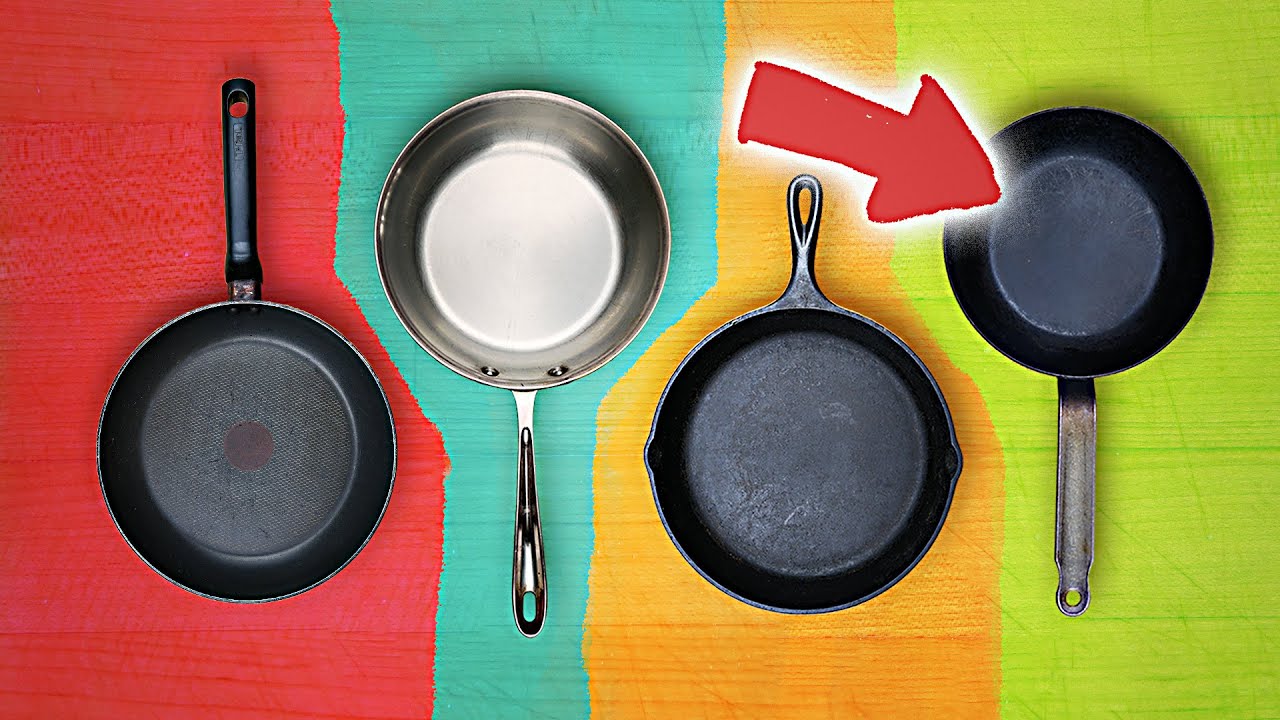
The Verdict: Cast Iron Wok vs Carbon Steel Wok
No widely used answer exists considering the fact that genuine kitchens run on amazing wishes and conduct.
If you crave instant stir-fries with smoky charred flavors and wish a specific thing mild ample for tossing and simple flipping, carbon steel will get my nod on every occasion.
If your recipes skew closer to slow-cooked stews or deep-frying in which steady temperature reigns superb - primarily on less robust burners - forged iron remains unbeatable.
The elegance lies in how the two resources invite arms-on care and change into with use. Whichever course you opt for, your wok becomes no longer simply cookware but an extension of your hand and heritage - all set for something flavors anticipate your subsequent meal.