For cooks who love wok-cooked foods, the pan itself is as important as the flame underneath it. Choosing among solid iron and carbon steel woks can structure your cooking style, outcome flavor, and even recognize how basically you achieve for takeout on busy nights. Having owned and cooked generally with both varieties, I’ve stumbled on each and every brings its possess quirks and pleasures to the kitchen. Let’s take a near have a look at how those two classics evaluate the place it somewhat counts: in commonly used use.
The Roots of Each Wok
Chinese cuisine’s iconic stir fry relies on a targeted vessel: round-bottomed, sloped-sided, deep enough for tossing meals over roaring warm. Both forged iron and carbon steel have served as wok ingredients for centuries, yet their testimonies diverge.
Cast iron woks got here into wider use in China throughout the time of the Ming dynasty when sand-casting era matured. These pans became prized for his or her potential to retain steady heat - necessary for slower braises or light simmering of broths. Their Western cousins, heavy and flat-bottomed, migrated into American kitchens along fried chook recipes instead of stir fry.
Carbon steel woks are more fresh in mass construction however are actually ubiquitous across Chinese families and restaurants. Thinner and lighter than cast iron, carbon metal heats quickly and responds without delay to adjustments in flame, which matches the quick-paced toss-and-sear of current stir frying.
Initial Feel: Weight, Balance, and Handling
Lift a 14-inch forged iron wok with one hand and also you’ll be aware its recognition quickly. Most weigh wherever from 8 to twelve pounds empty. This heft affords them authority at the stovetop; they not often skitter across burners. But pouring out delicacies or flipping greens takes muscle or two fingers.
By comparison, a related carbon metallic wok weighs closer to 2 or three kilos. With observe, that you may flick cuisine up the perimeters one-surpassed or perhaps toss noodles aloft with a pointy wrist snap. The distinction is extra than convenience - it’s basic to wok process. For dishes like kung pao chicken or pad see ew in which steady movement continues constituents from burning or sticking, many chefs discover carbon metallic liberating.
That suggested, forged iron’s weight isn’t all disadvantage. It skill the wok sits rock-cast on gas burners or induction plates without “taking walks.” For those who not often toss their delicacies but would like steadiness for stews or shallow frying, this solidity reassures.
Heat Response: Getting Hot, Staying Hot
Great stir fry hinges on high warm - what Cantonese cooks name “wok hei,” a charred aroma performed basically while oil smokes and additives sear automatically. Here’s in which textile technological know-how steps in.
Carbon metal woks start to temperature instant. Put one on a roaring burner and inside 60 seconds it’s ready to sizzle aromatics. Turn down the fuel and it cools close to as easily. This agility fits domicile kitchens in which burners would possibly not attain restaurant-point BTUs; you choose every bit of a possibility warmness hitting your foodstuff in preference to being soaked up with the aid of the pan.
Cast iron absorbs warm slowly yet then holds onto it like a financial institution vault. If you’re cooking in waves - first browning red meat strips, then veggies, then constructing a sauce - you’ll note that solid iron remains sizzling among batches. This helps keep temperature drops that end in soggy stir fry.
But there’s a trade-off: whenever you overheat forged iron (effortless to do if distracted), cooling it down can take a number of mins. Burnt garlic or scorched oil will become harder to rescue than in a nimble carbon steel wok.
Seasoning: Building That Nonstick Surface
Neither cast iron nor carbon metal woks come nonstick out of the container. Instead, equally depend upon seasoning - layers of polymerized oil baked onto the metallic by means of repeated heating - to expand their signature patina.
Seasoning a new wok is an element chemistry scan, side ritual. For either kinds, begin by way of scrubbing off manufacturing unit oils with sizzling water (typically detergent), then heating the dry wok till simply smoking prior to wiping on skinny layers of top smoke-element oil like flaxseed or grapeseed. Over countless rounds of heating and cooling, a darkish coating types that resists sticking and rust.
From enjoy, carbon metallic is somewhat greater forgiving here. It takes seasoning fast; inside of two or three uses you’ll discover eggs sliding round or bok choy leaving basically a sheen of sauce at the back of. The surface develops man or woman with each meal - streaks and color alterations mark your progress.

Cast iron needs more staying power. Its rougher surface holds onto oil but seasoning takes longer to turn out to be really nonstick - rather once you cook dinner many acidic ingredients early on (like tomatoes or vinegar-dependent sauces), which strip away that not easy-earned layer. Still, once installed, an antique cast iron wok’s seasoning is also mythical.
Maintenance: Daily Care and Long-Term Living
Here’s in which concept meets actuality. After a past due-night night meal or frantic weeknight meal, what concerns is how your wok cleans up - and whether or not it still looks inviting next time you pull it out.
With the two forged iron and carbon metallic woks, prevent dish soap maximum days. Hot water and a bamboo brush constantly suffice; stuck-on bits carry off extra truthfully once seasoning builds up. If gunk persists, upload water when the pan remains hot and permit steam do its work previously scrubbing lightly.
The great difference comes down to rust possibility. Carbon metal is notoriously instant to oxidize if left damp. After washing, dry completely over low warmth and rub on a whisper-thin layer of oil prior to storing. In humid climates or at some point of monsoon season (as I realized living in southeast Asia), skipping this step capability coming again to orange freckles or worse.
Cast iron is much less sensitive to quick moisture due to its thicker seasoning layer however will nonetheless rust if soaked overnight or put away wet. It additionally merits from publish-wash oiling yet is reasonably extra forgiving in case you forget a couple of times.
One aspect case valued at noting: if you happen to on a regular basis cook strongly acidic dishes (mapo tofu with a lot of doubanjiang or tomato-founded curries), equally surfaces would possibly lose seasoning quicker than anticipated. You’ll need to reseason greater most of the time or exchange with stainless steel pans for the ones recipes.
Cooking Versatility: Beyond Stir Fry
Woks are well known for stir frying however prove their value across dozens of procedures: deep frying, steaming, smoking tea leaves with duck breast, even baking bread (yes, sincerely - are trying it when you have an oven monstrous ample).
Cast iron excels at slower programs where its warm retention shines. Think shallow-frying tofu cubes until crusty or simmering Sichuan scorching pot broth over low flame for hours. The steadiness method less fidgeting with burner knobs.
Carbon steel’s responsiveness makes it improved applicable for prime-turnover thoughts - immediate-frying tempura shrimp or scrambling eggs that desire constant motion. It also transitions nicely from stovetop to desk because it cools greater at once once eliminated from heat (safer if childrens or pets are around).
Both versions can manage steaming if paired with bamboo baskets and lids large satisfactory to cover the peak. Smoking dishes (making use of tea leaves or rice over foil) works nicely considering equally metals https://keeganpjkc735.lucialpiazzale.com/a-beginner-s-guide-cast-iron-wok-vs-carbon-steel-wok tolerate prime dry warm; just keep away from lingering odors by airing out entirely afterward.
Surface Texture: How Food Interacts
Run your quit an unseasoned solid iron wok and also you’ll feel graininess - nearly like nice sandpaper. As seasoning builds up using repeated use and oiling, this texture smooths out however by no means disappears fully. Some cooks swear this is helping hang onto tiny droplets of sauce or bits of charred scallion.
Carbon metallic starts off smoother however develops micro-pitting through the years from heating cycles and steel spatula use. A smartly-seasoned carbon steel wok feels just about satiny after dozens of nutrients; eggs float and garlic browns frivolously with no clinging.
In blind style assessments I’ve run at dwelling (own family contributors judging kung pao hen aspect through aspect), the change in crusting is sophisticated but proper: cast iron tends to produce relatively thicker sears on proteins if heated long satisfactory; carbon steel gives you thinner however extra uniform browning.
Comparing Costs and Value
Price degrees vary relying on company, thickness, nation of origin, and whether handles are wood or metallic. In normal:
| Material | Typical Price Range (USD) | Longevity | | -------------- | ------------------------ | -------------------------- | | Cast Iron Wok | $forty - $one hundred twenty | Decades (with care) | | Carbon Steel Wok | $20 - $eighty | Decades (with care) |
A good-made Chinese carbon metal wok from a eating place provide retailer often bills less than dinner for 2 at a casual eatery but lasts simply as long as pricier choices if maintained nicely. Cast iron woks have a tendency to be pricier caused by heavier fabric and production expenditures; a few artisan items command three-figure rates.
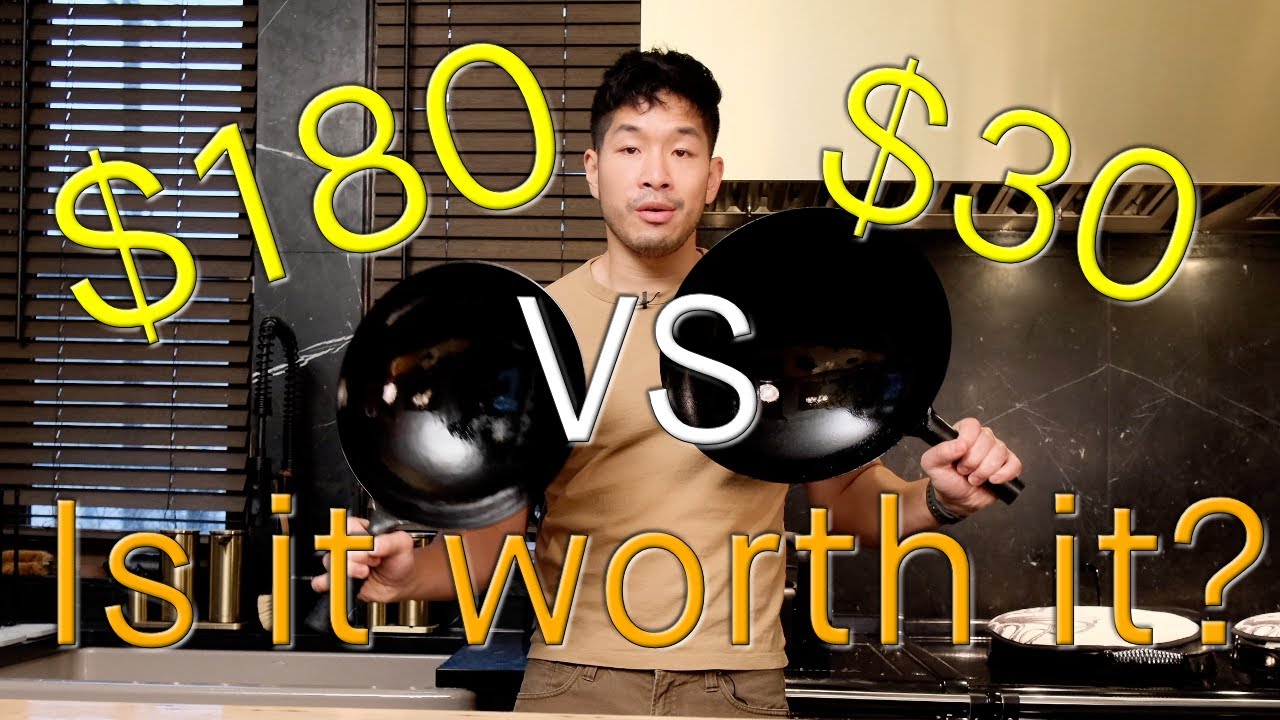
Handles topic too: wooden part handles dwell cool longer yet sometimes loosen over years; metal handles closing continually however can get blazing warm unless wrapped or taken care of with care.
Stove Compatibility: Finding the Right Fit
Traditional spherical-bottomed woks call for a gasoline burner equipped with a wok ring or cradle that cradles the bowl above an open flame. Flat-bottomed versions exist for Western stoves but difference the means warmth moves across the surface.
Both solid iron and carbon metal paintings superbly over gas burners; carbon metal’s lighter weight makes tossing less complicated yet both can deliver official results if preheated precise.
On induction or electric stoves, cast iron’s thicker base probably fares more effective at asserting steady touch with the coil or plate beneath; thinner carbon steel could warp relatively if overheated whilst empty (convenient to do if distracted). For the ones constrained to glass-exact stages or portable induction plates in small apartments, search out heavier gauge pans with flat bottoms for most beneficial effects.
Edge Cases: When One Material Outshines the Other
Kitchen lifestyles hardly ever fits neat regulation. Here are moments while subject matter option subjects most:
- If you all the time make enormous batches (for meal prep or events), cast iron’s mass enables prevent temperatures steady for the time of repeated additions of chilly ingredients. For those with weaker wrists or confined mobility (aged cooks or arthritis sufferers), carbon steel’s lighter build means much less strain. If outdoors cooking is your jam (wok-tossed fried rice over open fire), the two ingredients paintings; simply take note that cast iron takes longer to chill off ahead of packing away. For pupils or renters frightened approximately garage space or fragile stovetops, carbon metal tucks away unquestionably and gained’t crack if dropped. In industrial kitchens in which speed ideas all else and woks see dozens of nutrients day after day, carbon metallic dominates simply by fast turnover, simple cleansing, and occasional alternative fee.
Flavor Differences: Myth or Reality?
Some chefs declare that solid iron imparts a deeper “wok hei” flavor thanks to its mass and different microstructure; others argue that approach trumps subject matter whenever. In my knowledge tasting an identical recipes side by using area (mapo tofu one nighttime in cast iron, a better in carbon metal), style alterations are diffused - more motivated via how scorching the oil gets than by using metallic by myself.
Where cast iron many times shines is in development up “fond” - the ones little browned bits left in the back of after searing beef or fowl - which can upload intensity to sauces whilst deglazed adequately. Carbon steel tends to shed fond greater right away resulting from its slicker surface; this makes cleanup less demanding yet often times capacity much less taste left in the back of unless compensated via process.
Where either excel is in producing the advanced smoky notes linked to true wok cooking - offered you crank the heat excessive adequate and don’t crowd the pan.
Which Is Best for You?
If you crave lightning-fast stir fries and price maneuverability principally else, carbon steel continues to be tough to beat. Its lighter weight invites experimentation: flipping shrimp midair or construction self belief with excessive-warm ways borrowed from restaurant chefs.
If you decide on slower-cooked dishes or need a pan that doubles as deep fryer or soup cauldron on weekends, forged iron will serve loyally for many years - given care and staying power all over seasoning.
A rapid list for identifying:
Do you ordinarily cook dinner immediate stir fries? Go carbon metallic. Do you like sluggish braises or deep frying? Consider solid iron. Is ease of lifting really good? Carbon steel wins. Do you would like most balance to your range? Cast iron excels. Are you interested in way of life? Both have rich histories however carbon steel dominates glossy Chinese kitchens.That mentioned, many pro cooks keep the two varieties reachable and enable temper or recipe dictate which comes off the rack.
Final Thoughts from Years Behind the Wok
After years bouncing among carbon metallic’s agility and cast iron’s steadfastness, I in finding myself reaching for every one relying on the nighttime’s mood or dish handy. There’s no greatest resolution - simply what suits your kitchen existence major.
If you’re opening refreshing and desire to master stir fry’s traditional sizzle even though maintaining things approachable on weeknights, invest in an incredible carbon metal wok from a reputable supply (stay clear of low cost nonstick coatings that flake off). Season it properly and use it typically - every meal will make it higher.
If you inherit a cast iron wok from domestic or score one at an estate sale, treasure it; with a bit TLC it may convey generations’ really worth of flavor into your property.
Ultimately the magnificent Cast Iron Wok vs Carbon Steel debate is much less about exact or flawed than approximately locating pleasure inside the rituals of care and cooking itself. Whichever path you judge, might your kitchen fill with smoke-laced aromas and chuffed smiles around the table.