A properly-seasoned wok appears like an invite. Its patina tips at nutrition past and nutrients to return, promising smoky stir-fries, soft omelets, possibly even appropriate popcorn on a hungry night time. But stroll into any kitchen keep or browse online, and also you’ll face a collection that stumps even professional dwelling house chefs: cast iron or carbon metallic? Both materials have devotees, equally claim culture and software. Yet they cook otherwise, age differently, and call for their own style of care.
Let’s get to the bottom of the strengths and quirks of each so that you can come to a decision which pan will earn delight of vicinity for your stovetop.
The Heart of the Matter: What Sets These Materials Apart
Cast iron and carbon metal sound comparable on paper: either are iron-primarily based alloys, equally demand seasoning, and equally had been utilized in Chinese kitchens for hundreds of years. But the info remember. Cast iron carries extra carbon - regularly 2-four% - making it harder but additionally extra brittle. Carbon metallic is ready ninety nine% iron with much less than 1% carbon, which affords it flexibility and a lighter build.
The big difference in format modifications all the pieces about how a wok behaves over heat. Cast iron woks preserve onto warmth like a bank vault; carbon metal woks warmness up soon and funky down simply as instant. That single verifiable truth shapes essentially each and every point of cooking system and preservation.
Heat Retention vs Responsiveness: The Crucial Trade-Off
Picture creating a brief pork stir-fry. You desire https://sergiozxli780.almoheet-travel.com/a-beginner-s-guide-cast-iron-wok-vs-carbon-steel-wok screaming warm oil to sear thinly sliced meat in seconds, then cool issues down unexpectedly while you toss in aromatics or sauce. Here’s the place the 2 constituents diverge.
A cast iron wok excels at regular warmth retention. Once sizzling, it stays hot even in the event you add bloodless materials. This is positive for deep-frying or braising higher cuts: temperature dips are minimum, so oil remains bubbling and sauce simmers steadily. However, in the event that your recipe requires rapid modifications in temperature or relocating delicacies between prime sear and mild sauté, cast iron can consider slow. It takes time to heat up - pretty much numerous minutes longer than skinny pans - and cools slowly after the burner’s off.
Carbon steel woks behave more like nimble athletes. They warmness up fast, respond at once once you carry or cut the flame, and funky down just as briefly. This agility is why maximum expert Chinese kitchens use carbon metal. In a busy eating place wherein dishes fly out in minutes, cooks want rapid manage to succeed in wok hei - that elusive smoky sear that defines widespread stir-fry.

Weight and Ergonomics: Lifting Matters More Than You Think
The first time I picked up a solid iron wok - a spherical-bottomed 14-inch sort from northern China - it felt like hefting a bowling ball with handles. Empty, it weighed well-nigh 10 pounds. After just a few hours of cooking, my wrists begged for mercy.
Most residence chefs underestimate how tons tossing, shaking, and tilting is going into proper wok cooking. A heavy pan makes these routine puzzling or not possible for most folk. Stir-frying with a cast iron wok incessantly capability driving a spatula to push cuisine around instead of flipping parts with a wrist snap.
Carbon metal woks shine here. Even a wide 14-inch wok hardly weighs greater than three kilos. With prepare, possible toss noodles one-exceeded or tip out fried rice with a flick of the wrist. If you intend to cook for crowds or try restaurant methods like “volcano” fried rice (where flames bounce as rice hits the pan), carbon steel’s lightness isn’t simply convenient - it’s a must-have.
Seasoning: Building Nonstick the Old-Fashioned Way
Both forged iron and carbon metal woks need a protecting layer often called seasoning - polymerized oil baked onto the floor to create nonstick properties and forestall rust. This technique is part ritual, section chemistry.
Cast iron develops seasoning speedily on account that its rougher floor presents oil greater to cling to. After only a few uses (noticeably with excessive-warmness searing), you’ll observe cuisine sticking much less and shade deepening to a bronze-black patina. Cast iron’s porosity also manner it absorbs flavors over time - equally a blessing (for fried rice) and low curse (if you by accident burn garlic).
Carbon metal starts off smoother yet calls for extra recognition early on. The first few uses will be sticky affairs as the initial layer builds up erratically. It facilitates to fry up batches of scallions or ginger slices to speed up polymerization beforehand tackling mild foods like eggs or tofu. Once professional, notwithstanding, carbon steel behaves essentially identically to cast iron - slick floor, convenient release - yet with a bit much less style absorption.
One tip found out with the aid of trial: ward off soap on both pan while cleaning. Hot water and a bamboo brush do the trick maximum days. For stubborn crusts, pour in some water at the same time as the wok’s nonetheless heat to steam off residue.
Durability Over Decades
If you desire a pan at hand down to your grandkids (or just leave out at the porch for decades), cast iron wins for brute durability. I’ve seen century-old Chinese cast iron woks still in use in rural kitchens - scarred from wooden fires yet completely functional. Cast iron resists warping even below abuse; drop it on tile, and you might chip the ground previously hurting the pan.
Carbon metal is tricky yet thinner by necessity. It can warp if heated inconsistently (as an instance, blasting the base over excessive gas flames although the perimeters live cool). On infrequent circumstances - say, dropping a heavy wok off a countertop side - it may possibly dent or deform permanently. Still, maximum exceptional carbon metal woks remaining a long time with routine use.
Both fabrics rust if uncared for. The perfect information: superficial rust customarily scrubs off with steel wool accompanied with the aid of a short re-seasoning.
Cooking Techniques: Where Each Wok Shines
Different recipes deliver out the pleasant in every one subject matter.
For high-temperature stir-frying - believe red meat chow enjoyable or kung pao chook - carbon metallic’s responsiveness guidelines. You can toss in aromatics just as the oil shimmers, blast them with warm for seconds, then push them aside when meat gets its flip within the midsection. When you add sauce, the pan cools a bit to avert burning sugars until now cutting back directly back.
Cast iron woks excel in sluggish-cooked dishes or anything else stressful regular simmering. Braised pork stomach (hong shao rou) blessings from forged iron’s even warmness distribution; the sauce thickens gently, meat stays juicy, and there’s little threat of scorching as long as you stir periodically.
Deep-frying shines in either pan because the two keep warmth well as soon as preheated. Cast iron has a mild part for colossal batches since its mass retains oil temperature solid while cold products go in.
Steaming? Both paintings while you use a bamboo rack above simmering water. Just matter that cast iron takes longer to succeed in a boil.
For eggs or pancakes (occasionally made in flat-bottomed woks), forged iron’s seasoning tends to be greater forgiving early on. Thin eggs slide out more conveniently once the pan’s good damaged in.
Stove Compatibility: Gas vs Induction vs Electric
Traditional spherical-bottom woks have been designed for open flames. Most Western residences use flat stovetops - electrical coils or induction surfaces - which complicates matters.
Carbon metallic woks come in flat-bottomed variations ideal for current stoves. They nonetheless advance that traditional “warm spot” inside the heart yet take a seat securely with out wobble.
Cast iron woks may well be trickier due to the fact that their weight may smash glass tops if dropped or slid forcefully. Some flat-bottomed solid iron models exist (Lodge makes a accepted one), however they take longer to warmness when compared to thinner pans.
Induction cooking works optimal with flat-bottomed woks of both material due to the fact induction relies on contact domain. If you’re dedicated to wok hei flavor using induction, seek carbon metal models designed particularly for those stoves.
On outdoors fuel burners - incredibly the ones tough “wok burners” appreciated by way of a few enthusiasts - both pan works fantastically. The actual question turns into how a great deal arm strength you desire to invest all through extended cooking periods.
Maintenance Realities: Keeping Your Wok Ready
No remember which fabric you opt for, overlook invites rust and sticky messes. Yet preservation exercises do range a bit.
Cast iron tolerates rougher scrubbing if crucial; its thick partitions shrug off twine brushes or chainmail pads when cleansing burnt-on bits. After washing, dry thoroughly over warm formerly employing a skinny sheen of oil to evade rust.
Carbon metallic is more touchy to abrasive cleaning early on (earlier than its seasoning matures). Use gentle brushes or non-metallic scrubbers to evade scraping off new layers. Like solid iron, dry absolutely after washing and rub with oil previously storage.
One observe of warning: prevent storing acidic ingredients (tomato sauces, citrus-heavy marinades) in both wok overnight. Acids smash down seasoning layers temporarily and may impart off flavors next time you prepare dinner.
If disaster strikes - per chance any person forgets to dry the pan after washing - don’t panic. Surface rust cleans up with elbow grease adopted by means of a instant re-seasoning consultation over high warmth.
Price Points: What Should You Pay?
A proper wok doesn’t desire to check a fortune. In such a lot markets, a simple carbon metallic wok runs wherever from $20 to $50 USD depending on measurement and thickness. Restaurant delivery retailers basically promote them inexpensively considering that pros update them regularly after years of demanding service.
Cast iron woks vary from $30 for fundamental items to $100-plus for artisanal imported brands with hand-hammered finishes or distinctive shapes. Expect to pay more for thicker partitions or specialty functions like cast handles.
Pre-pro pans charge moderately greater yet save time all through preliminary setup. Some chefs favor “uncooked” unseasoned types so we can build seasoning from scratch via ordinary tips (frying aromatics over top warmth for hours).
The Learning Curve: Which Is Friendlier for Beginners?
There’s no disgrace in in need of basic wins early on. For newcomers to wok cooking, carbon metal’s lightness could make procedure feel less intimidating. Flipping vegetables or noodles will become essentially instinctive after a couple of tries.
Cast iron rewards endurance but demands variation; its heft slows down tossing motions but provides forgiveness with regards to burning tender meals attributable to its good warmness.
If your aim is vintage Cantonese stir-fry with greatest management over timing and texture, commence with carbon metallic. If you pick slow-cooked dishes or wish to make use of your wok for all the things from popcorn to pancakes without fussing over rapid temperature swings, solid iron has enchantment.
Real-World Edge Cases
Some kitchens current different challenges that change the equation.
If you have arthritis or constrained hand potential, lifting a forged iron wok complete of foodstuff could be out of succeed in devoid of advice. In these instances, carbon steel is an seen go with.
Apartment dwellers with touchy smoke alarms could combat attaining precise wok hei interior notwithstanding subject matter; highly effective outdoors burners paired with either pan present bigger consequences while searing at critical temperatures.
And in the event you dream of riding your wok over campfires or charcoal pits for the duration of backyard gatherings? Cast iron shrugs off direct flames with out warping while skinny carbon steel calls for cautious administration to avoid hotspots that deform its form.
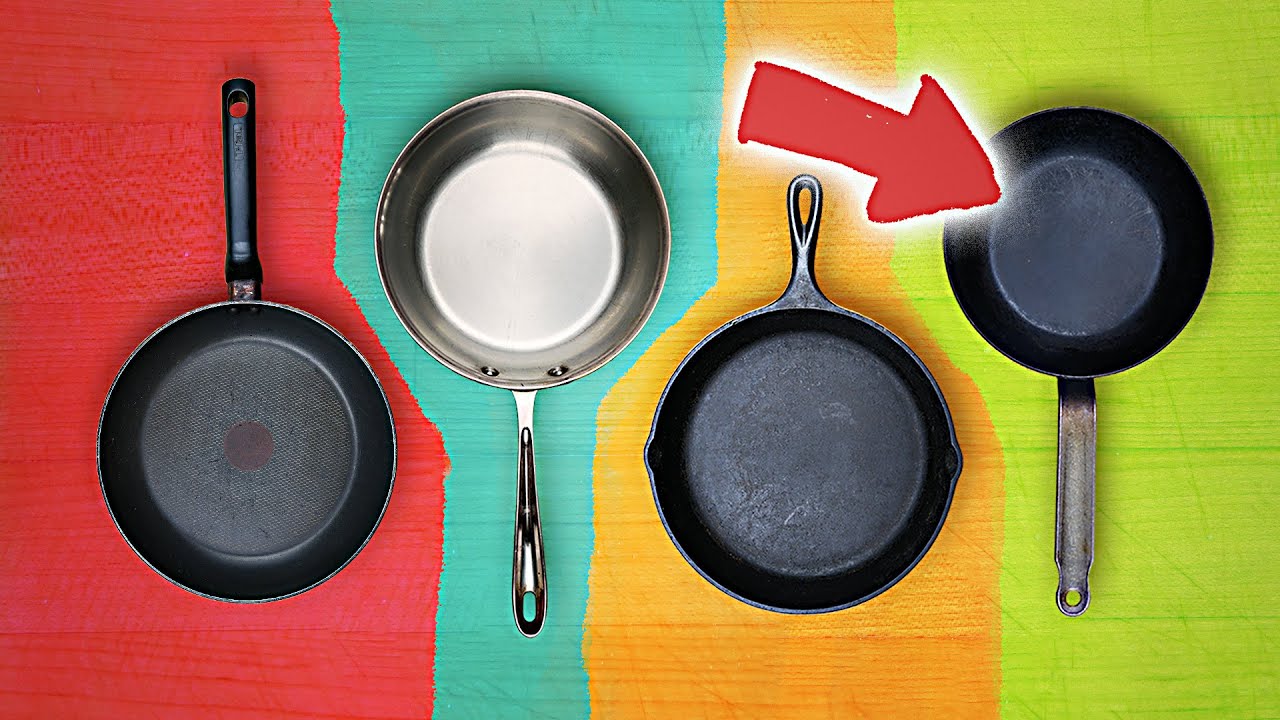
Side-By-Side Comparison Table
Here’s a immediate evaluate to distill key differences between forged iron and carbon metal woks:
| Feature | Cast Iron Wok | Carbon Steel Wok | |----------------------|------------------------|--------------------------| | Weight | Heavy (8-12 lbs generic)| Light (2-4 lbs primary) | | Heat retention | Excellent | Good | | Responsiveness | Slow | Fast | | Seasoning pace | Quick | Slower to start with | | Rust resistance | Similar (needs care) | Similar (needs care) | | Durability | Extremely lengthy-lasting | Long-lasting | | Price diversity | $30 - $a hundred+ | $20 - $50 | | Stove compatibility | Best on gasoline | Gas/induction/electrical | | Tossing/handling | Difficult | Easy |
Choosing Your Wok: A Simple Framework
With these kind of nuances swirling round, how could you pick out? Here’s a quickly tick list to recognition your resolution-making:
Consider your range sort: If you've gotten gasoline or out of doors burners, either works properly; for induction/electric powered flat tops, search for flat-bottomed carbon steel. Think approximately how a lot tossing vs stirring you’ll do: Frequent tossers get advantages from carbon metallic’s lightness. Reflect on what recipes excite you such a lot: If your dream dish is smoky stir-fried vegetables at lightning speed, carbon metallic suits biggest; if it’s lengthy-simmered stews or deep-fried delights for a crowd, solid iron is onerous to beat. Be truthful about preservation: If you choose low-fuss seasoning that builds rapidly no matter what you cook dinner, solid iron gives mild forgiveness. Factor in storage area: Cast iron takes up greater truly estate as a result of its bulk and weight.Personal Experience: Why My Kitchen Has Both
After years working in restaurant kitchens around Shanghai and Los Angeles - and teaching homestead chefs the following in Seattle - I’ve long past by means of over a dozen woks of each length and fabric.
For lightning-speedy weekday dinners (shrimp with snow peas tossed in less than 3 minutes), I attain for my battered 14-inch carbon steel workhorse anytime. It heats swift on my gasoline stove and flips fried rice resultseasily.
For weekend initiatives like red-braised pork abdominal or fried complete fish in which constant warmness topics greater than maneuverability, my old forged iron wok has no identical. Its thick walls maintain effervescent oil at easiest temperature even when I upload kilos of bloodless additives unexpectedly.
Truthfully? If you cook dinner Asian meals by and large and feature room for two pans - get both in the event that your price range permits. Each brings a specific thing enjoyable in your desk.
But if space is tight otherwise you prefer simply one official family member beside your range? Let your recipes aid you. Pick the wok that fits how you love to cook in these days - figuring out it's going to grow along your talent for many years in advance.
Final Thoughts
No piece of cookware sparks debate fantastically just like the humble wok. Both solid iron and carbon steel deserve their position in culinary background - no longer just for nostalgia’s sake however in view that they in truth structure what ends up for your plate.
Whether hot sizzling for five-minute stir-fries or simmering quietly as a result of lengthy afternoons, your possibility turns into portion of your kitchen rhythm through the years. There’s no improper resolution - simply what works optimal to your palms, your range, your appetite for journey.
So take time to deal with both if you can prior to shopping for. Notice what feels natural in your grip; think tossing greens on a busy weeknight or coaxing flavors out over hours on a lazy Sunday. Whichever manner you lean inside the Cast Iron Wok vs Carbon Steel debate, embrace it solely - seasoning stains and all - and enable your fashionable dishes tell their reports one meal at a time.